
Hey there!
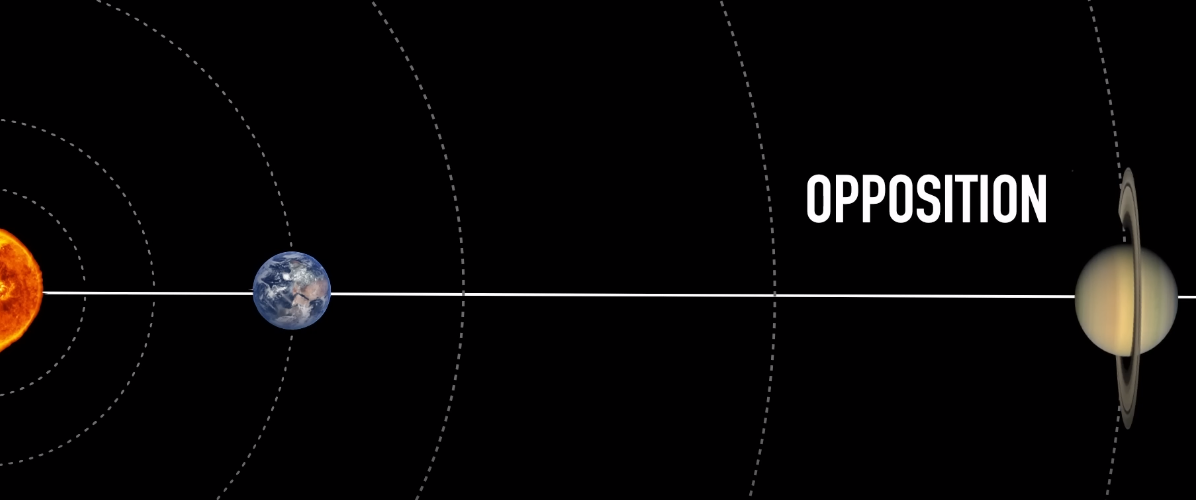
So, today when I am writing this is Wednesday and this weekend 26-27th August is the period where Saturn is in opposition with the Earth. And what this means is that the planet will be closer to us and much more visible than any other time of the year. Saturn is my favorite planet so I cannot wait to see it with my own eyes.
So, time to start planning a location from which I can have semi darkness so I can plop my gear outside and spot the planet.
The planet will be visible all around the night of August 26th, starting from the East after sunset and reaching the highest point at midnight, setting in the West right before sunrise.
If you have trouble seeing it you can spot the Moon first and then kind of search for Saturn in the sky especially on August the 30th where the two will be very, very close.
Choosing the location
Now, I live in Bucharest and the city has a lot of light pollution so my best chance is to go somewhere where there isn’t much light disturbing my view of the planet and I may have narrowed it down to a few locations.
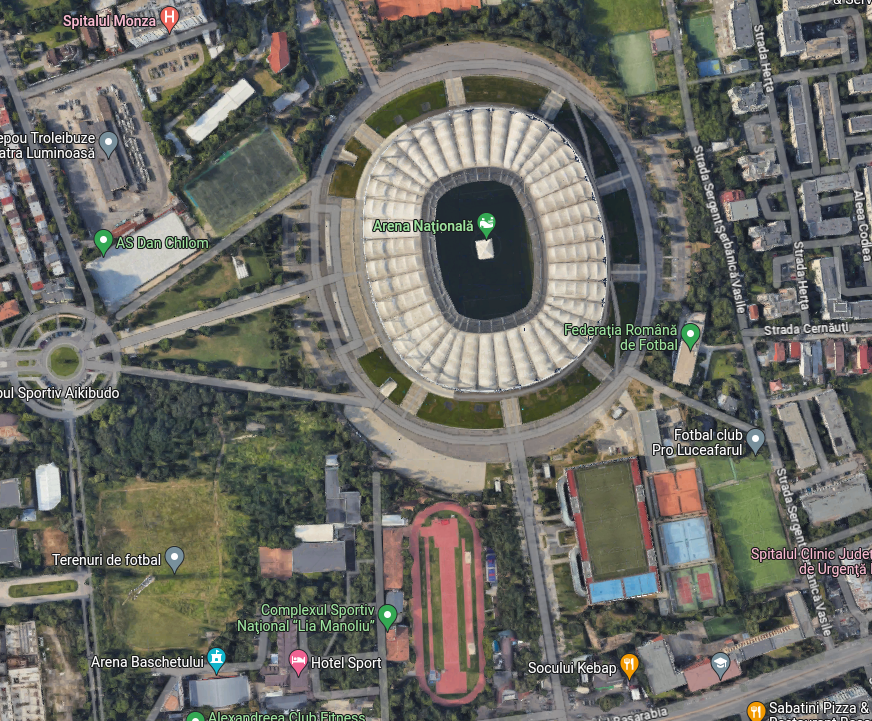
- The area near the stadium: there are a few green areas near the stadium that from what I know are pretty dark, having street lights just on the alley.
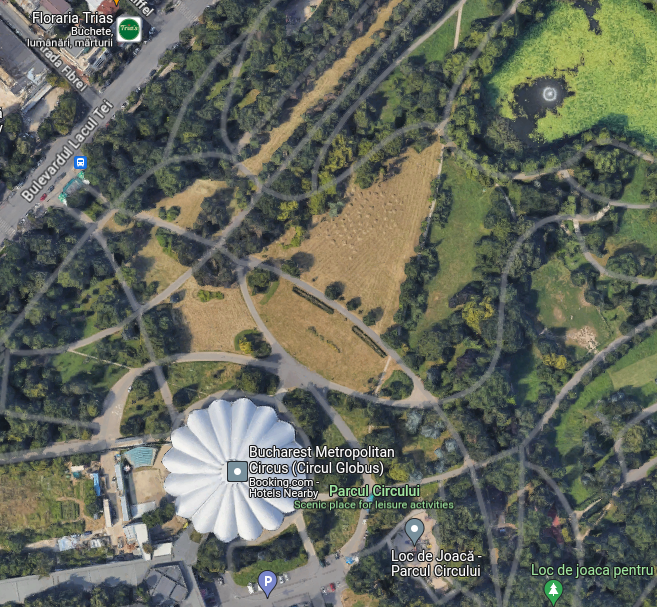
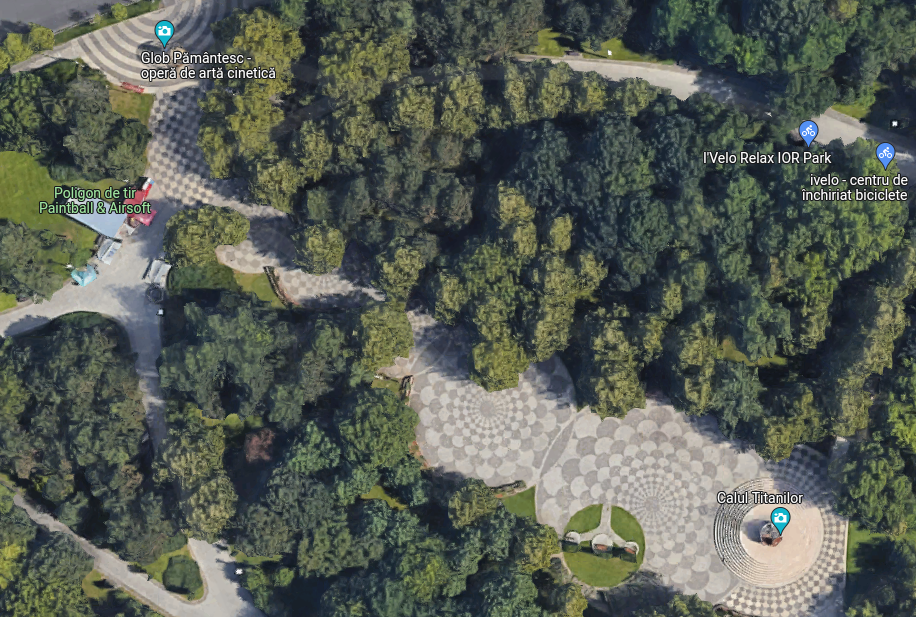
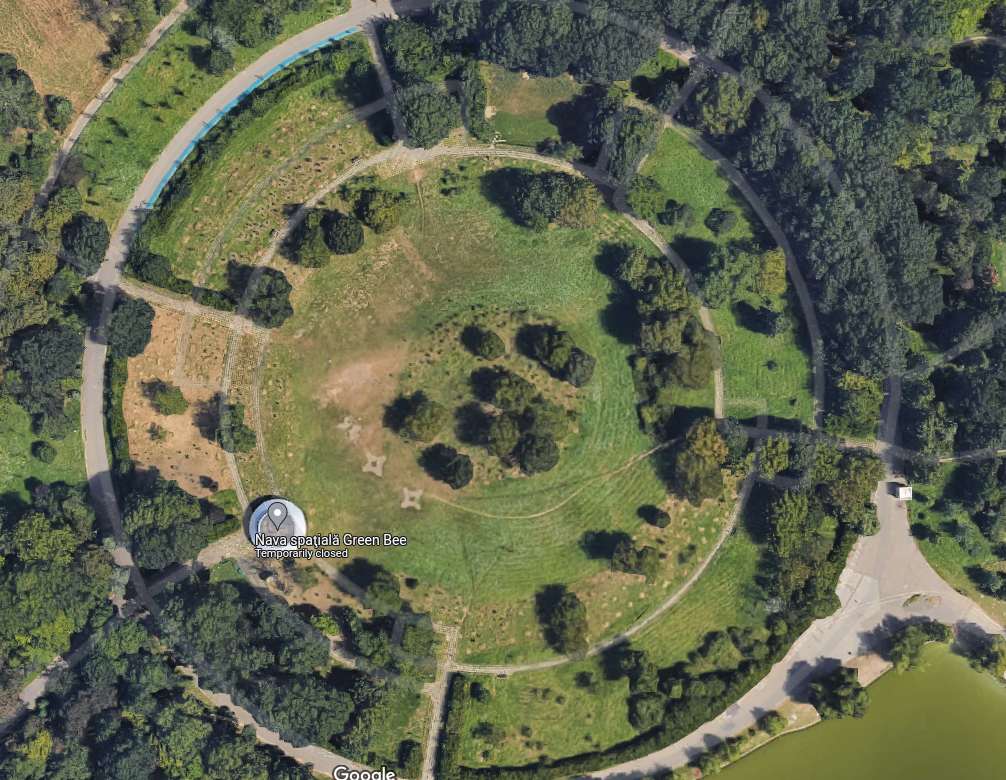
- Nearby parks: I think that these 3 parks could potentially provide a darker area and those are Circus Park, IOR and Tineretului (IOR has more areas with potential, but some aren’t really safe).
Gear
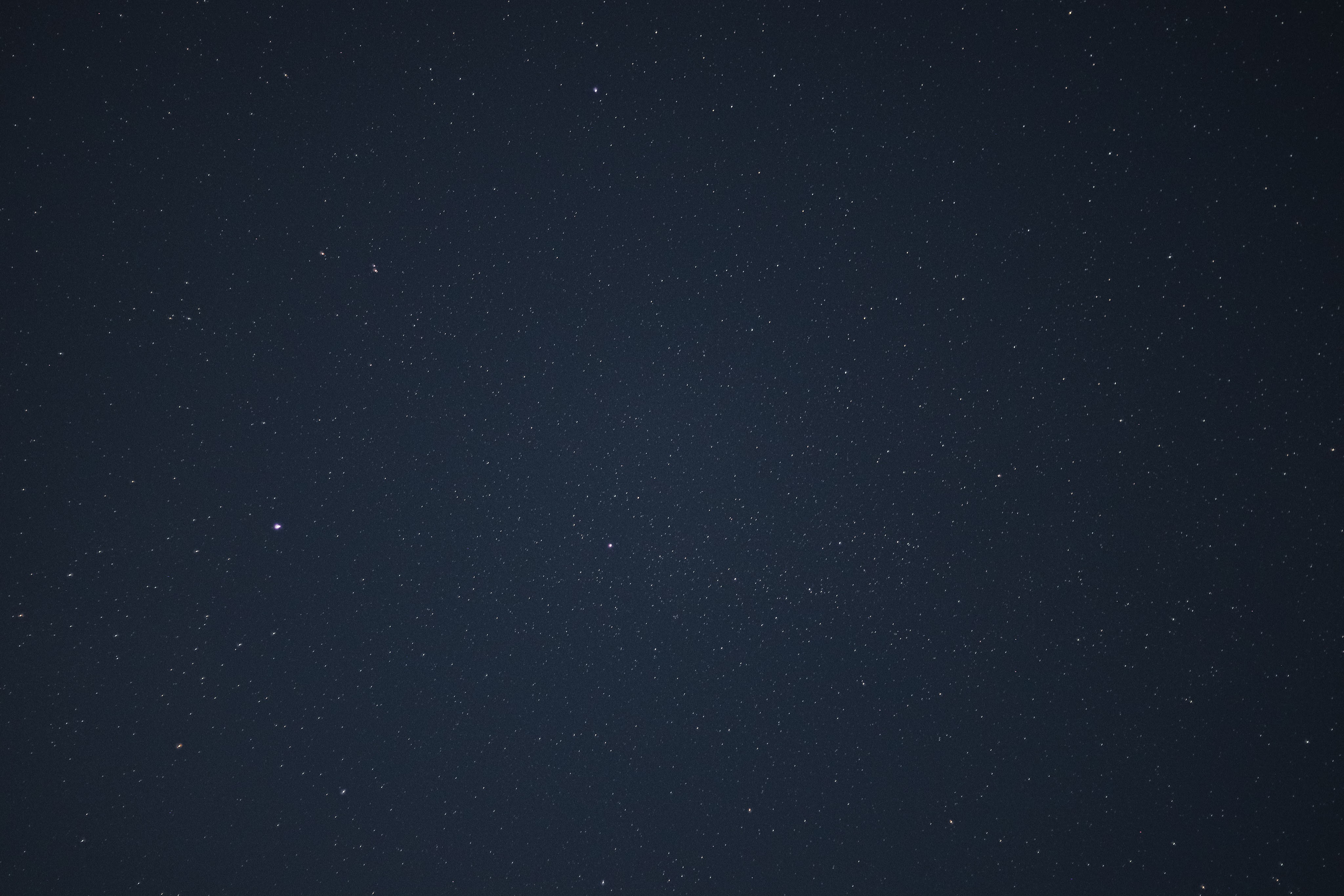
I will of course use my Canon M50 with the tele lens 70-300mm F4, but also will try with the 50mm F1.8 to see if I can take one wider photo with the stars near just like I did multiple times.
I will also bring in my Opticon StarRanger telescope with the 0.8x eyepiece and unfortunately I cannot pair it with my camera as I didn’t plan ahead long enough to order the adaptor.
Settings
I see all around the internet the 500 rule which means that for the best results of taking pictures of the stars is to divide 500 to your lens focal length so for my 50mm I would go around 10 shutter speed, but from all of other tests I’ve done I found that 6 sec is the best. For example:
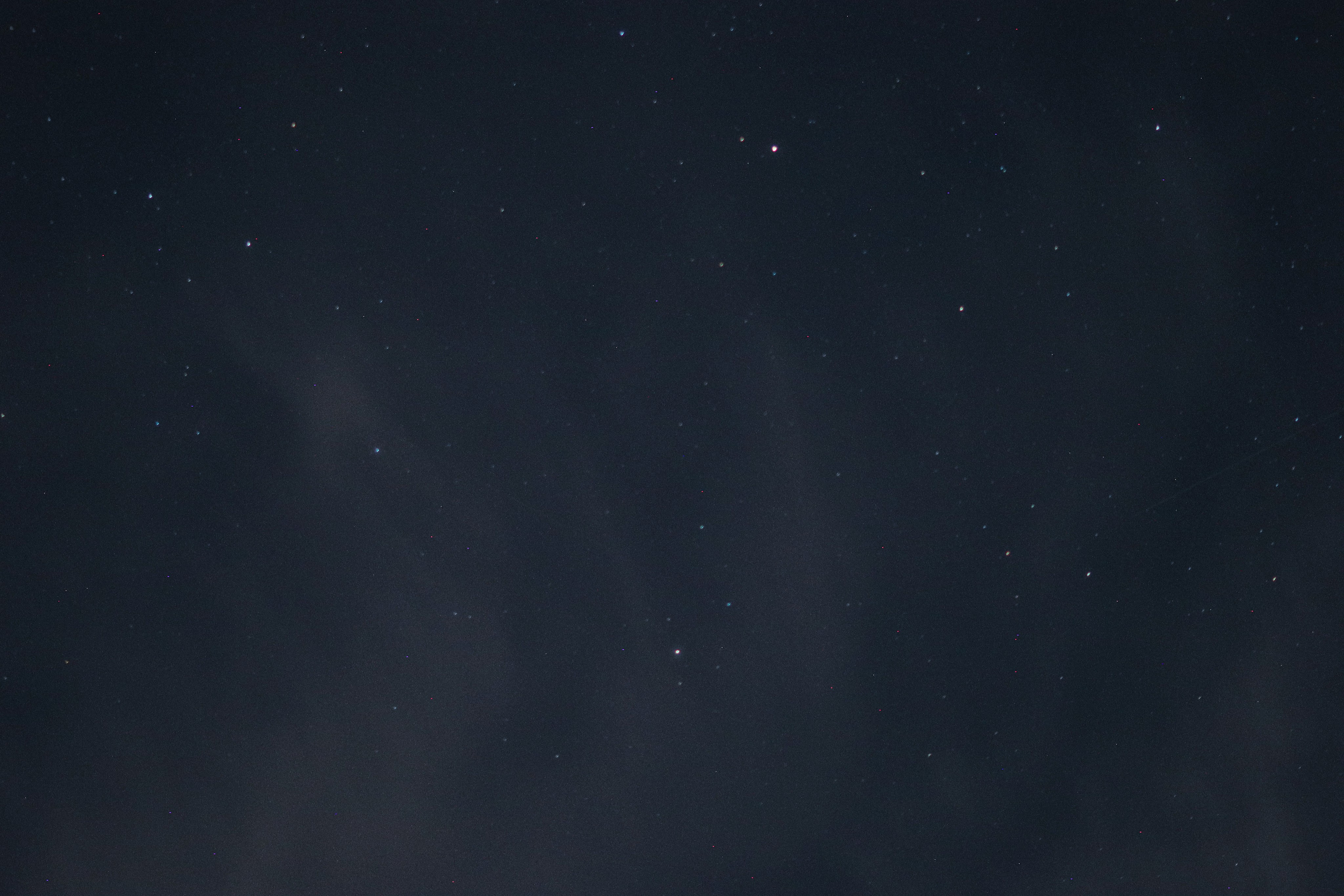
Canon EOS M50
70.0-300.0 mm
ISO 1250
70 mm
f / 4
6 sec
Whereas for planets I might adjust my settings a bit, going also to the max focal length possible 300mm full frame which essentially is for my APSC sensor 480mm. Trial and error, nothing without some tests first 🙂
Tools
Other that the heavy gear I will have my tripod, one for the telescope and one for the camera and also using my trusty old app Stellarium which I use to map out the stars based on my location.
SkyMap is also one of my fave apps, but it doesn’t have GPS so it is not really helpful for orientation.
That’s all for now. Hopefully next time I post here I will also attach some pictures of my results.
Tschuss!


Leave a Reply to ReeVeeCancel reply